Frass
A fine fragrance about the interior of wood, the beetle gallery where fungi break lignin down into vanillin.
- Year
- 2026
- Role
- Perfumer
- Brief
- Vanilla: Terroir & Transformation, Mythologist Studio
- Starting point
- Vanilla planifolia colibri, Chinantla cloud forest, Oaxaca
- Notes
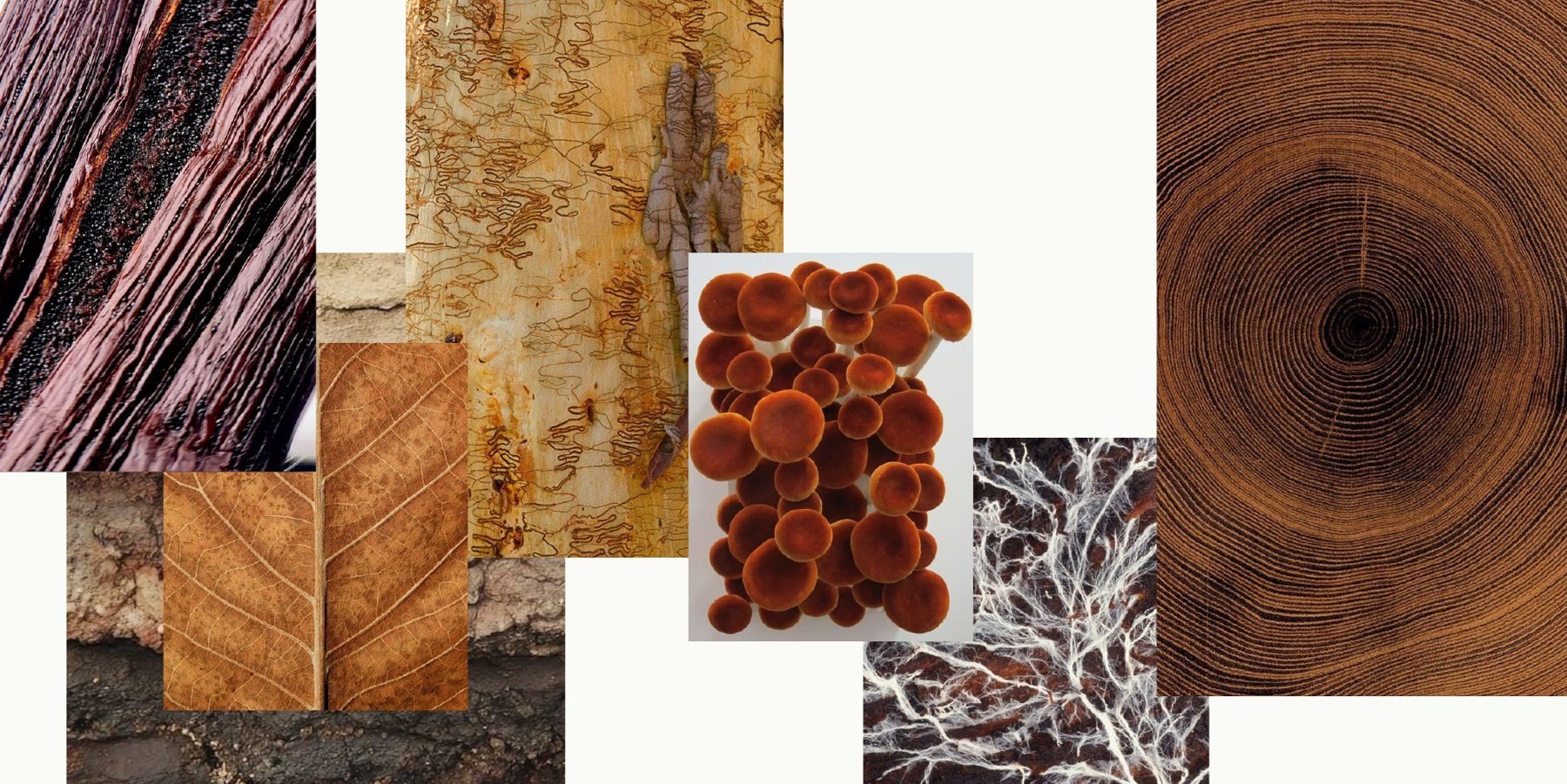
- Vanilla, cedar, fir needle, mushroom, loam, humid air, moss, oak, orris and fermentation
The brief
Begin with vanilla as a material study, not a note. Choose one of fourteen varietals, find a facet that has not been explored, and build outward into something new and outside my usual style.
The bean
Vanilla planifolia colibri, from the Chinantla cloud forest, carries little vanillin for its species. That leaves more room for green, grapefruit pith, dried fruit, powder and violet.
From vanilla to wood
Following vanillin through nature led back, almost every time, to lignin. Vanilla does not smell like wood. Wood is a vanillin precursor.
In the beetle gallery, fungi and bacteria break that lignin down into vanillin, guaiacol and geosmin, in the same cloud forest as the bean. The powder left behind is frass.
Try it
Select any node to see the bean's compounds and connections. Pinch or hold Ctrl or Cmd and scroll to zoom. Reset view returns to the start.
The research map I built for this project. Open it full screen.
The typeface
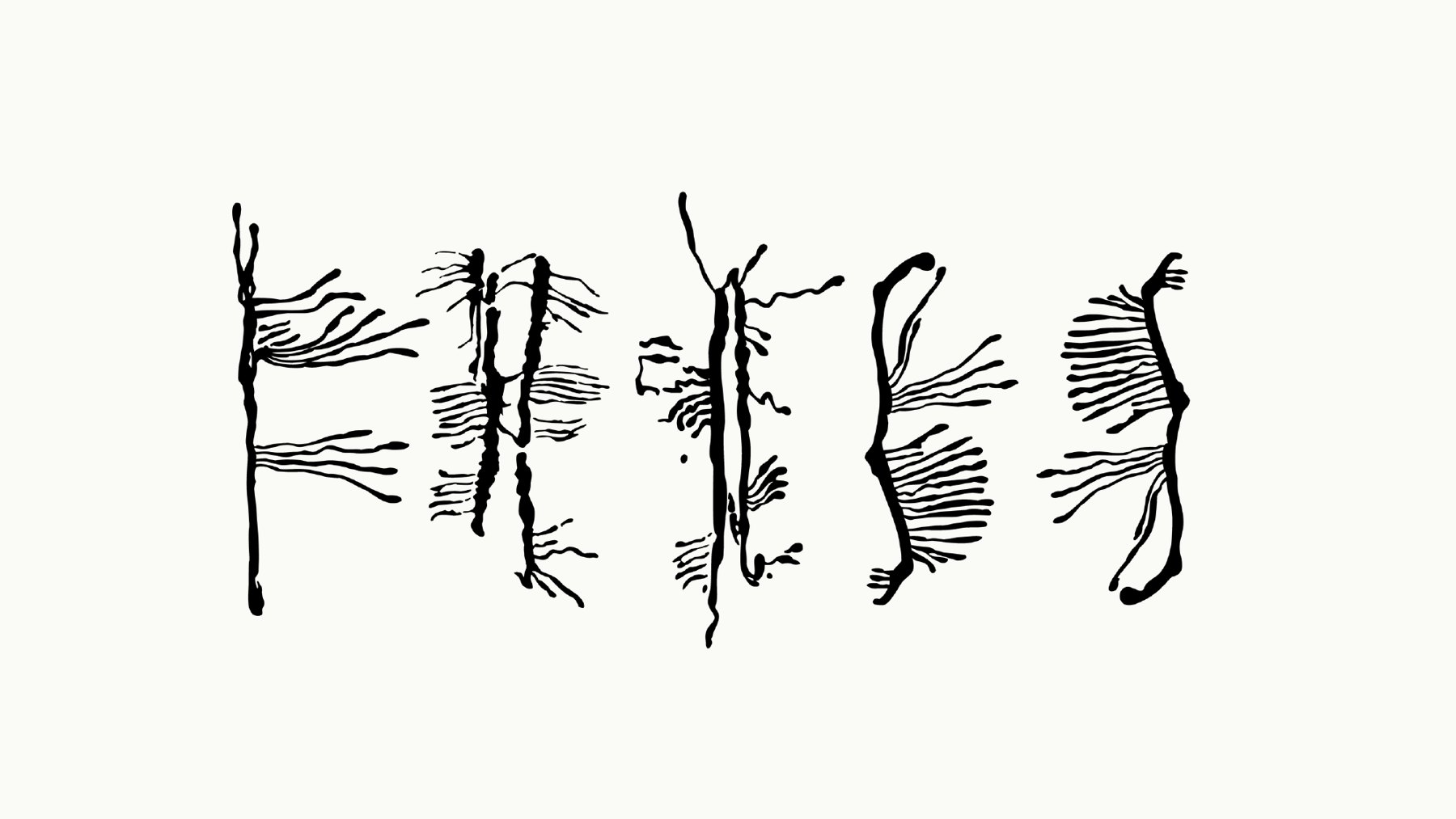
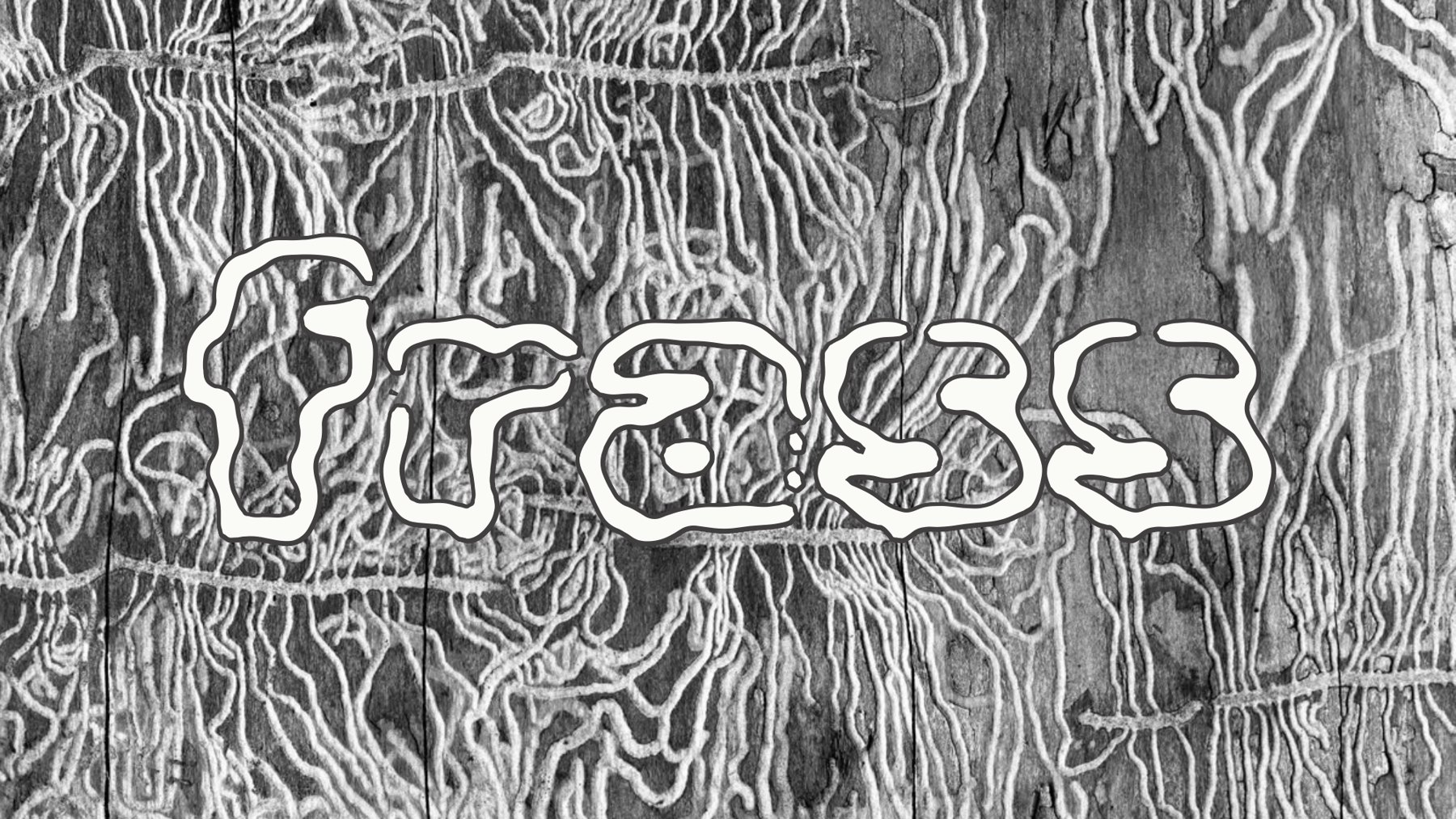
Each beetle species cuts its own tunnel pattern, and the patterns read like writing. Alexandra Crouwers and Jeroen Van der Ham drew a typeface from them after an Ips outbreak took her family's spruce forest. I wrote to Crouwers, and she gave me permission to use it.
The fragrance
Wood as a space being consumed from within. It opens on living conifer and humid air, turns inward as vanillin adds depth, and settles earthy, fermented and dry, like walking deeper into a forest.
Credits
Perfumer: M Dougherty. Brief and mentorship: Michael Nordstrand, Mythologist Studio. Typeface: Ips typography by Alexandra Crouwers and Jeroen Van der Ham, used with permission.